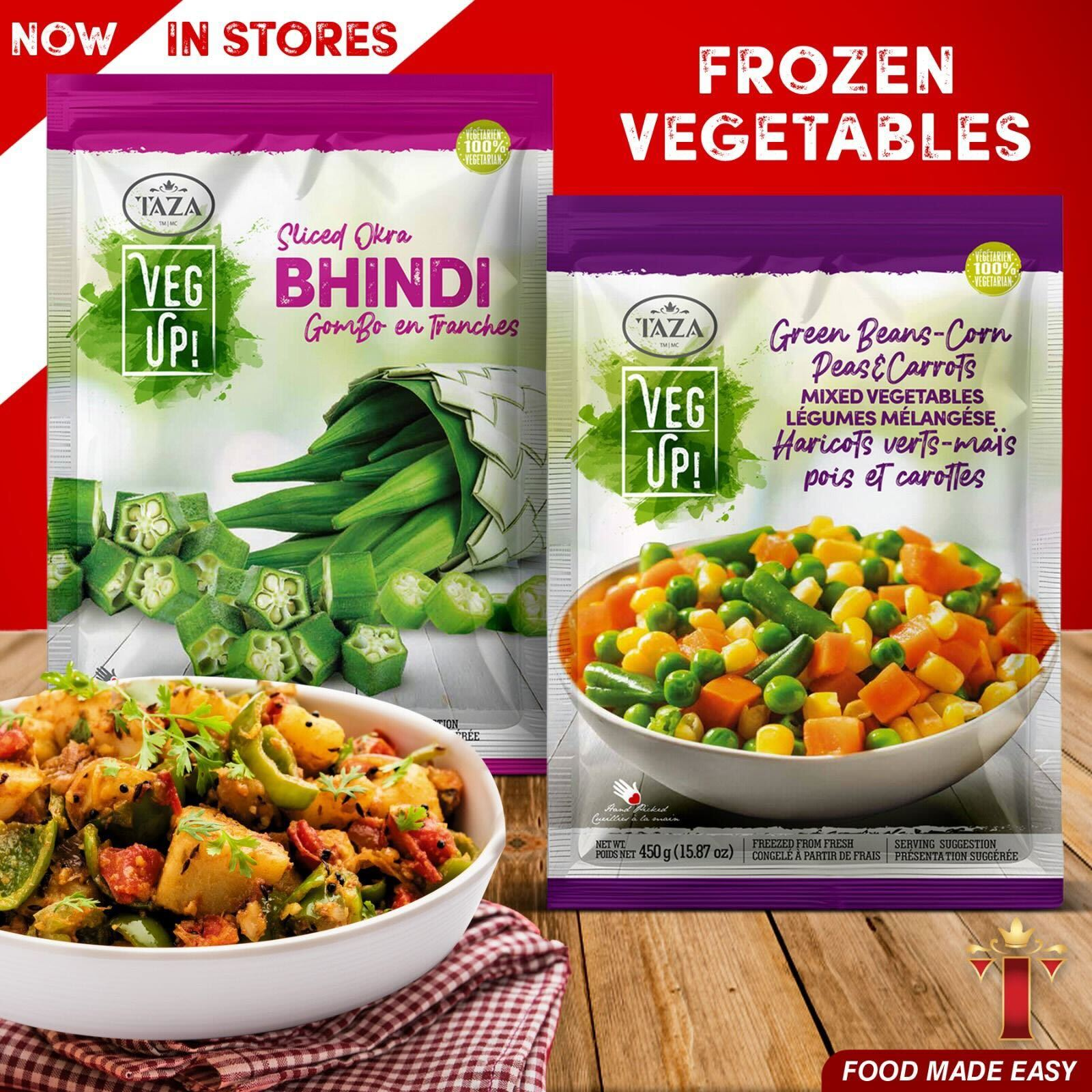
In recent years, the concept of “vegg” has gained attention among health enthusiasts, home cooks, and even professional chefs. While the term might sound trendy, the idea behind it is simple: incorporating a wide variety of vegetables and plant-based foods into your daily diet to enhance nutrition, flavor, and overall well-being. This guide will break down everything you need to know about vegg, from its nutritional benefits to creative ways to include it in your meals. Whether you’re a seasoned plant-based eater or just starting to explore healthier food choices, understanding vegg is essential.
What is Vegg and Why It Matters
When people talk about vegg, they’re generally referring to vegetables, but it’s more than just a shopping list item. Vegg represents a mindset of incorporating natural, nutrient-rich foods into your diet. Unlike highly processed foods, vegg offers vitamins, minerals, fiber, and antioxidants that your body thrives on.
Eating vegg isn’t just about staying fit or losing weight; it’s about maintaining long-term health. Studies show that diets rich in vegetables help lower the risk of chronic diseases such as heart disease, diabetes, and even certain types of cancer. The natural compounds in vegg act as protective agents, fighting inflammation and oxidative stress in the body.
Another reason vegg matters is versatility. Unlike meat or processed snacks, vegg can be adapted to countless cuisines, flavors, and cooking styles. From raw salads to roasted or grilled dishes, vegg can satisfy your taste buds while nourishing your body.
Finally, vegg is environmentally friendly. Plant-based foods require less water, land, and energy compared to animal products, making vegg an eco-conscious choice. This means that including more vegg in your diet doesn’t just benefit you—it benefits the planet as well.
Nutritional Benefits of Vegg
Vegg is packed with nutrients that your body needs for optimal function. Depending on the type of vegetable, vegg can be a source of vitamins A, C, K, folate, potassium, and magnesium. Leafy greens, for example, are rich in vitamin K, which supports bone health and blood clotting, while root vegetables like carrots provide beta-carotene, a powerful antioxidant.
Fiber is another critical aspect of vegg. Most vegg items are high in dietary fiber, which aids digestion, keeps you feeling full longer, and supports healthy gut bacteria. A fiber-rich diet is linked to lower cholesterol levels, improved blood sugar control, and a reduced risk of heart disease.
In addition, many vegetables contain plant compounds such as flavonoids and carotenoids. These compounds have anti-inflammatory and antioxidant properties that help your body combat stress and prevent cellular damage. Incorporating a variety of vegg ensures that you get a broad spectrum of these beneficial compounds.
Finally, vegg is naturally low in calories while being nutrient-dense, making it ideal for maintaining or achieving a healthy weight. Unlike calorie-dense processed foods, vegg delivers high nutrition without overloading your system with unhealthy fats or sugars.
Popular Vegg Varieties to Include in Your Diet
Not all vegg is created equal, and variety is key to maximizing benefits. vegg list Leafy greens like spinach, kale, and romaine lettuce are nutritional powerhouses, packed with vitamins, minerals, and fiber. Cruciferous vegetables such as broccoli, cauliflower, and Brussels sprouts contain compounds known for supporting detoxification and cancer prevention.
Root vegetables such as carrots, beets, and sweet potatoes are excellent for energy and antioxidant support. They are naturally sweet, making them perfect for both savory and dessert-style recipes. Bell peppers, tomatoes, and cucumbers add color, crunch, and hydration to meals while providing vitamin C and other essential nutrients.
Legumes, though technically not vegetables, often fall under the vegg category in many diets because of their plant-based protein and fiber content. Chickpeas, lentils, and beans can be combined with vegg to create satisfying, nutrient-rich meals.
Herbs and microgreens, while smaller in quantity, are packed with flavor and concentrated nutrients. Adding parsley, cilantro, basil, or microgreens to your dishes can significantly boost both taste and health benefits. Exploring different vegg varieties also keeps meals exciting, preventing diet fatigue and encouraging creativity in cooking.
How to Incorporate Vegg into Daily Meals
One of the biggest challenges people face with vegg is figuring out how to include it in daily meals consistently. Breakfast is a great place to start. Vegg can be added to smoothies, omelets, or even savory oatmeal for a nutrient boost in the morning. Think spinach, kale, or carrots blended with fruits and plant-based milk for a creamy, energizing start.
For lunch, consider salads, stir-fries, or veggie-packed sandwiches. Mixing different textures and colors not only makes meals more visually appealing but also ensures you’re getting a range of nutrients. Adding legumes, seeds, or nuts can further enhance the nutritional profile and make meals more satisfying.
Dinner offers another opportunity to experiment. Roasting, grilling, or steaming vegg brings out natural flavors and can serve as the centerpiece of your meal. Combining multiple vegg types in one dish creates layers of taste and nutrition. For example, a tray of roasted root vegetables with a side of sautéed greens offers both hearty and nutrient-rich components.
Snacks can also be turned into vegg opportunities. Sliced cucumbers, carrot sticks, bell pepper strips, or cherry tomatoes can be paired with hummus or yogurt-based dips for a healthy, satisfying snack. Keeping these options accessible encourages healthy habits and prevents the temptation of processed snacks.
Creative Cooking Tips for Vegg
Cooking vegg doesn’t have to be boring. One tip is to experiment with different textures and cooking methods. Roasting, for example, caramelizes natural sugars in vegetables, enhancing their flavor without adding unhealthy fats. Steaming preserves vitamins and minerals, especially in delicate vegetables like broccoli or asparagus.
Spices and herbs are another excellent way to enhance vegg. Turmeric, paprika, cumin, garlic, and fresh herbs can transform simple steamed or roasted vegetables into gourmet-tasting dishes. Don’t be afraid to mix cultural flavors: an Asian-inspired stir-fry, a Mediterranean vegetable bake, or a Mexican-style roasted vegg bowl can keep meals exciting.
Another approach is blending vegg into dishes where they aren’t usually the star. Adding grated zucchini or carrot into meatballs, pasta sauces, or baked goods increases nutrition without altering taste significantly. Smoothies, soups, and dips also allow for creative ways to sneak in more vegg.
Finally, presentation matters. Brightly colored vegetables arranged thoughtfully on a plate can make meals more appealing and enjoyable. Taking a little extra time to present your vegg dishes can turn eating healthy into a more satisfying experience rather than a chore.
The Role of Vegg in a Balanced Diet
Vegg plays a central role in any balanced diet. A healthy plate typically includes a mix of vegg, protein, whole grains, and healthy fats. This combination ensures you’re getting essential nutrients, sustained energy, and adequate fiber.
Including a variety of vegg is particularly important because different vegetables contain different vitamins, minerals, and antioxidants. For example, leafy greens are high in vitamin K, while red and orange vegetables provide beta-carotene. By eating a rainbow of vegg, you maximize health benefits and reduce the risk of nutrient deficiencies.
Vegg also complements other dietary components. Pairing vegetables with protein helps slow digestion and maintain stable blood sugar levels, while fats from nuts, seeds, or olive oil aid in the absorption of fat-soluble vitamins like A, D, E, and K. Understanding these interactions allows for more effective meal planning.
Moreover, a diet rich in vegg is linked to improved mood and cognitive function. Emerging research suggests that antioxidants and phytonutrients in vegetables may help protect the brain from age-related decline and support mental clarity. This makes vegg not only a tool for physical health but mental well-being as well.
Common Mistakes to Avoid with Vegg
While incorporating vegg into your diet is generally positive, there are some common mistakes that can reduce its benefits. One mistake is overcooking vegetables, which can destroy heat-sensitive nutrients like vitamin C. To retain maximum nutrition, steaming, sautéing lightly, or eating raw vegetables when appropriate is recommended.
Another mistake is sticking to the same few vegetables repeatedly. vegg list This can lead to nutrient gaps and taste fatigue. Exploring different varieties, colors, and textures ensures balanced nutrition and keeps meals interesting.
Using too much added salt, sugar, or oil is another trap. These additions can negate the natural health benefits of vegetables. Instead, use herbs, spices, and citrus for flavor enhancement.
Lastly, ignoring portion sizes can also be counterproductive. While vegg is low in calories, pairing them with high-calorie dressings or fried toppings can offset benefits. Mindful preparation and portioning are key for maximizing health outcomes.
Conclusion:
Vegg isn’t just a food group—it’s a lifestyle choice. Incorporating a variety of vegetables into your meals improves health, boosts energy, supports weight management, and even benefits the environment. From understanding nutritional benefits to creative cooking methods, the world of vegg is vast and exciting.
Consistency is key. By making vegg a regular part of your meals, you create sustainable habits that improve overall well-being. Whether you’re a beginner exploring plant-based eating or an experienced cook looking to enhance your nutrition, embracing vegg offers endless possibilities.
Ultimately, vegg represents health, creativity, and sustainability. By experimenting with different varieties, flavors, and cooking styles, you can enjoy the full spectrum of benefits while keeping your meals delicious and satisfying.