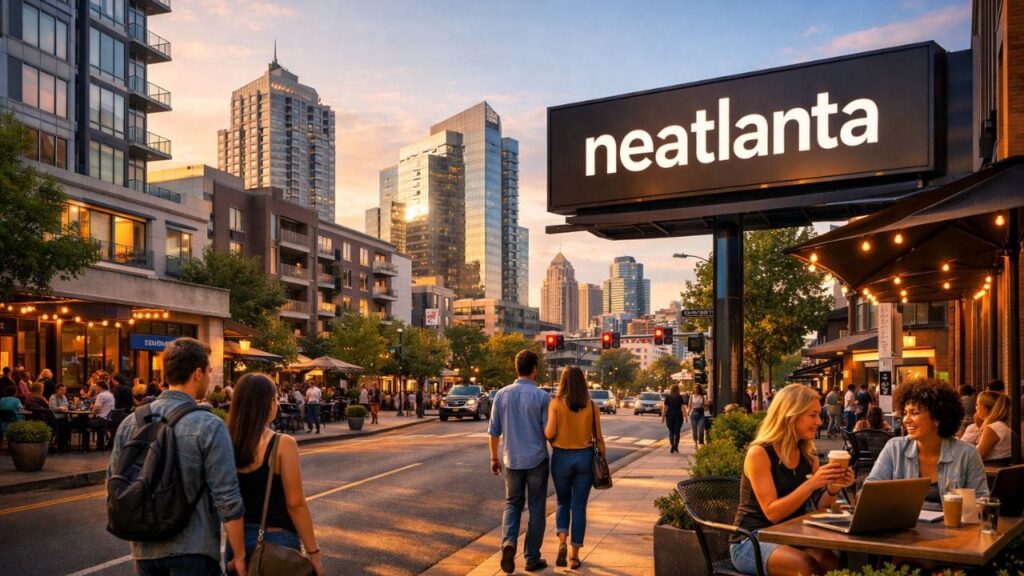
When people search for “neatlanta headings,” they are often looking for structured, easy-to-digest insights about one of the most dynamic cities in the American South. Think of this article as exactly that: a neatly organized deep dive into the culture, economy, lifestyle, and future of Atlanta. Rather than throwing scattered facts at you, we’ll explore the city through clear, thoughtful sections—each designed to give you a well-rounded, expert-level understanding without sounding like a textbook.
Atlanta is not just a dot on the map of Georgia. It’s a living, evolving hub that has reinvented itself time and time again. From its role in the Civil Rights Movement to its current status as a tech and entertainment powerhouse, the city balances tradition with innovation in a way that feels intentional and surprisingly organized. That balance is what makes “neatlanta headings” more than just a keyword—it represents a way of understanding the city through clarity and structure.
In this article, we’ll walk through Atlanta’s historical foundation, its booming economy, cultural landscape, urban development, and lifestyle appeal. Each section includes detailed explanations, expert observations, and practical insights. By the end, you won’t just know about Atlanta—you’ll understand how its moving parts fit together.
Let’s dive in.
1. The Historical Foundation: How Atlanta Built Its Identity
Atlanta’s story begins with transportation. Originally founded as a railroad terminus in the 19th century, the city quickly became a logistics and trade center in the southeastern United States. Its strategic importance made it both economically significant and a target during the Civil War, resulting in widespread destruction.
But what defines Atlanta is not the fact that it was destroyed—it’s that it rebuilt. The post-war era marked the beginning of a relentless growth trajectory. Unlike many Southern cities that remained tied to agricultural economies, Atlanta pivoted toward commerce, industry, and education. That shift laid the groundwork for its modern identity as a business-forward metropolis.
The Civil Rights Movement further shaped the city’s character. As the birthplace of Martin Luther King Jr., Atlanta became a symbolic and operational center for social change. The city cultivated a reputation as “the city too busy to hate,” emphasizing economic progress alongside racial advancement. While not perfect, that branding helped position Atlanta as forward-thinking compared to many regional counterparts.
This historical resilience still influences the city’s psyche. Atlanta is comfortable with reinvention. It doesn’t cling to a single identity. Instead, it evolves—absorbing cultural shifts, technological innovation, and demographic changes without losing its Southern roots. That adaptability is one of the reasons it continues to thrive.
2. Economic Powerhouse: Why Atlanta Means Business
If you look at Atlanta today, one thing becomes immediately clear: this is a city built for enterprise. It hosts the global headquarters of major corporations, including Coca-Cola, which has shaped both the city’s economy and its global brand recognition.
Beyond legacy corporations, Atlanta has become a magnet for startups and tech firms. The presence of top-tier institutions like Georgia Institute of Technology fuels innovation by producing engineering, computing, and business talent. This academic-industrial pipeline ensures a steady flow of skilled professionals into the workforce.
Transportation infrastructure is another economic driver. Hartsfield-Jackson Atlanta International Airport consistently ranks among the busiest airports in the world. That level of connectivity is not just impressive—it’s strategic. Companies value Atlanta because it allows fast, direct access to domestic and international markets.
Moreover, Atlanta’s relatively affordable commercial real estate compared to cities like New York or San Francisco gives it a competitive edge. Businesses can scale here without facing astronomical overhead costs. Add in a diverse workforce and favorable tax policies, and it becomes clear why so many companies choose to expand into the city.
Atlanta’s economy isn’t dependent on one sector. It spans logistics, media production, fintech, healthcare, and higher education. That diversification protects it from volatility and keeps growth steady even during national downturns. In short, Atlanta doesn’t just participate in the economy—it drives it.
3. Cultural Landscape: Where Tradition Meets Innovation
Atlanta’s cultural scene is layered, vibrant, and constantly evolving. It’s a place where Southern hospitality coexists with global influence. Walk through the city, and you’ll hear multiple languages, see diverse neighborhoods, and taste flavors from around the world.
One of the most visible cultural landmarks is Centennial Olympic Park, built for the 1996 Summer Olympics. Today, it serves as both a tourist destination and a gathering space for locals. The park symbolizes Atlanta’s ability to host global events while strengthening its local infrastructure.
Music is another cornerstone of Atlanta’s cultural identity. neatlanta From gospel and R&B to hip-hop, the city has produced artists who have shaped global soundscapes. The creative industry extends into film and television as well, earning Atlanta the nickname “Hollywood of the South.” Production studios have flourished thanks to state tax incentives and a growing pool of creative professionals.
Food culture reflects this diversity. Traditional Southern comfort dishes share the spotlight with upscale fusion cuisine and international eateries. The culinary scene doesn’t feel forced; it feels organic. Chefs experiment while still honoring local traditions, creating a dynamic dining ecosystem.
Community events, art festivals, and neighborhood markets reinforce a sense of belonging. Atlanta may be large, but it maintains pockets of tight-knit communities. That blend of metropolitan scale and neighborhood intimacy gives the city its distinctive rhythm.
4. Urban Development and Infrastructure: Smart Growth in Action
Urban development in Atlanta has been deliberate, though not without challenges. The city has expanded rapidly, leading to traffic congestion and urban sprawl. However, efforts have been made to address these issues through innovative planning and redevelopment projects.
A prime example is the Atlanta BeltLine. This ambitious project transforms former railway corridors into multi-use trails, parks, and transit pathways. Beyond beautification, the BeltLine connects neighborhoods, encourages walkability, and stimulates economic development along its route.
Mixed-use developments have also become common. Residential units, office spaces, retail stores, and green areas are increasingly integrated into single projects. This approach reduces commute times and fosters community interaction. Instead of separating work and home life by miles of highway, Atlanta is gradually encouraging more compact, livable environments.
Public transit, managed by MARTA, plays a critical role in mobility, though expansion debates continue. While not as extensive as transit systems in older cities, it provides essential connectivity and is gradually improving through modernization efforts.
Sustainability is another growing focus. New construction projects increasingly incorporate green building standards. Urban tree canopy preservation, water management strategies, and renewable energy initiatives reflect a broader commitment to environmental responsibility.
Atlanta’s infrastructure story is still being written. It’s a city in progress—actively refining its systems to meet the demands of a growing population.
5. Lifestyle and Livability: What It’s Really Like to Live Here
Beyond statistics and development plans, what truly matters is day-to-day life. Atlanta offers a lifestyle that blends ambition with comfort. You can pursue high-powered career goals while still enjoying backyard barbecues and weekend hikes.
The cost of living, while rising, remains more manageable than in many other major metropolitan areas. Housing options range from high-rise apartments downtown to spacious suburban homes. This variety allows residents to tailor their living situations to their priorities and budgets.
Outdoor enthusiasts appreciate the city’s parks, trails, and proximity to natural escapes. neatlanta Within a short drive, residents can explore mountains, lakes, and forests. This accessibility to nature adds balance to urban living.
Education and healthcare systems are robust, supported by major universities and medical centers. Families often find Atlanta appealing because it offers professional opportunity without sacrificing access to quality services.
Perhaps most importantly, Atlanta feels optimistic. There’s a collective belief in upward mobility and progress. Whether you’re an entrepreneur, artist, student, or corporate executive, the city provides room to grow.
Conclusion:
When structured clearly, Atlanta’s complexity becomes easier to understand. That’s the essence behind “neatlanta headings”—breaking down a multifaceted city into organized, meaningful insights.
Atlanta is historic yet modern, Southern yet global, ambitious yet community-driven. Its economic strength, cultural vibrancy, infrastructure initiatives, and lifestyle benefits all work together to form a cohesive urban ecosystem.
This city doesn’t just grow—it evolves strategically. It learns from its past, invests in its future, and continually redefines what it means to be a Southern metropolis in the 21st century.
If you’re considering visiting, investing, or relocating, Atlanta deserves serious attention. And if you simply wanted a well-structured, expert yet casual exploration of the city, hopefully these neatlanta headings delivered exactly that.