When people talk about the Kennedy family, they usually focus on politics, power, tragedy, and legacy. Names like presidents, senators, and public figures tend to dominate the narrative. Yet hidden within that history is a deeply personal story—one that shaped a young couple long before the White House, long before global fame, and long before history cemented their names in stone. That story belongs to Arabella Kennedy.
Though she never lived outside the womb, Arabella’s brief existence had a profound emotional impact on her parents and quietly influenced the trajectory of one of America’s most iconic families. In this article, we’ll explore who Arabella Kennedy was, the circumstances of her birth, the emotional toll her loss took, and why her story still matters today.
The Early Life of John and Jacqueline Kennedy
To understand Arabella’s place in history, we first need to step back into the mid-1950s and look at her parents before they became American royalty.
In 1953, John F. Kennedy married Jacqueline Kennedy Onassis in what was widely considered the wedding of the year. At the time, John was a young U.S. Senator from Massachusetts with growing political ambition, and Jacqueline—often called Jackie—was an intelligent, cultured woman with a strong interest in literature, art, and history.
Their marriage was not without challenges. John suffered from chronic health problems, including severe back issues and Addison’s disease. Jackie, meanwhile, was adjusting to life in a powerful political family with enormous expectations. Despite these pressures, they hoped to build a family together.
By 1955, Jackie became pregnant for the first time. The pregnancy ended in miscarriage. It was a devastating blow, but not uncommon. Determined to try again, she became pregnant once more in 1956. This time, hopes were high. The couple believed they were finally going to welcome their first child.
But fate had something else planned.
The Birth and Loss of Arabella Kennedy
In August 1956, Jackie traveled to Newport, Rhode Island, to spend time with family while John remained in Massachusetts dealing with his Senate responsibilities and preparing for reelection. During this time, complications developed in her pregnancy.
On August 23, 1956, Jackie delivered a stillborn baby girl through an emergency cesarean section. That child was Arabella Kennedy.
The loss was devastating. John was reportedly heartbroken, though he often masked his emotions behind composure and work. Jackie, however, felt the grief intensely and privately. Losing a child—especially a first child—can leave an emotional imprint that never fully fades. For Jackie, this moment marked a turning point in her emotional world.
Arabella was buried in Newport. At the time, there was little public attention surrounding the tragedy. The Kennedy family was prominent, but John had not yet become president. The loss remained largely personal and private, overshadowed in later years by larger public tragedies.
It is important to understand that stillbirth in the 1950s was rarely discussed openly. Families were often expected to grieve quietly and move forward. There was little emotional support compared to today’s standards. Jackie endured her sorrow in an era that did not readily validate maternal grief in the public sphere.
The Emotional Impact on Jacqueline Kennedy
For Jackie, Arabella was not just a medical event—she was a daughter. Though she never held her alive, Jackie had already imagined a future: first steps, birthdays, bedtime stories. All of that disappeared in a single moment.
Friends later described how deeply the loss affected her. Jackie was known for her grace and poise, but she was also intensely private. She did not publicly discuss Arabella often, yet the experience influenced her in subtle but powerful ways.
Some historians believe that Arabella’s death strengthened Jackie’s protective instincts toward her later children. When she eventually gave birth to Caroline Kennedy in 1957 and later John F. Kennedy Jr. in 1960, she became fiercely devoted to shielding them from excessive public exposure.
The loss also shaped her emotional resilience. arabella kennedy By the time Jackie entered the White House in 1961, she had already endured profound private grief. That early heartbreak may have prepared her, in ways no one would wish for, for the unimaginable tragedy she would face in 1963.
Grief often changes a person’s priorities. For Jackie, motherhood became central to her identity. Even as First Lady, she prioritized creating a nurturing, stable environment for her children within the walls of the White House.
Arabella’s Place Within the Kennedy Family Legacy
The Kennedy family is often described as both blessed and cursed—filled with extraordinary success and staggering tragedy. Arabella’s story was the first of several heartbreaking losses that would mark the family’s history.
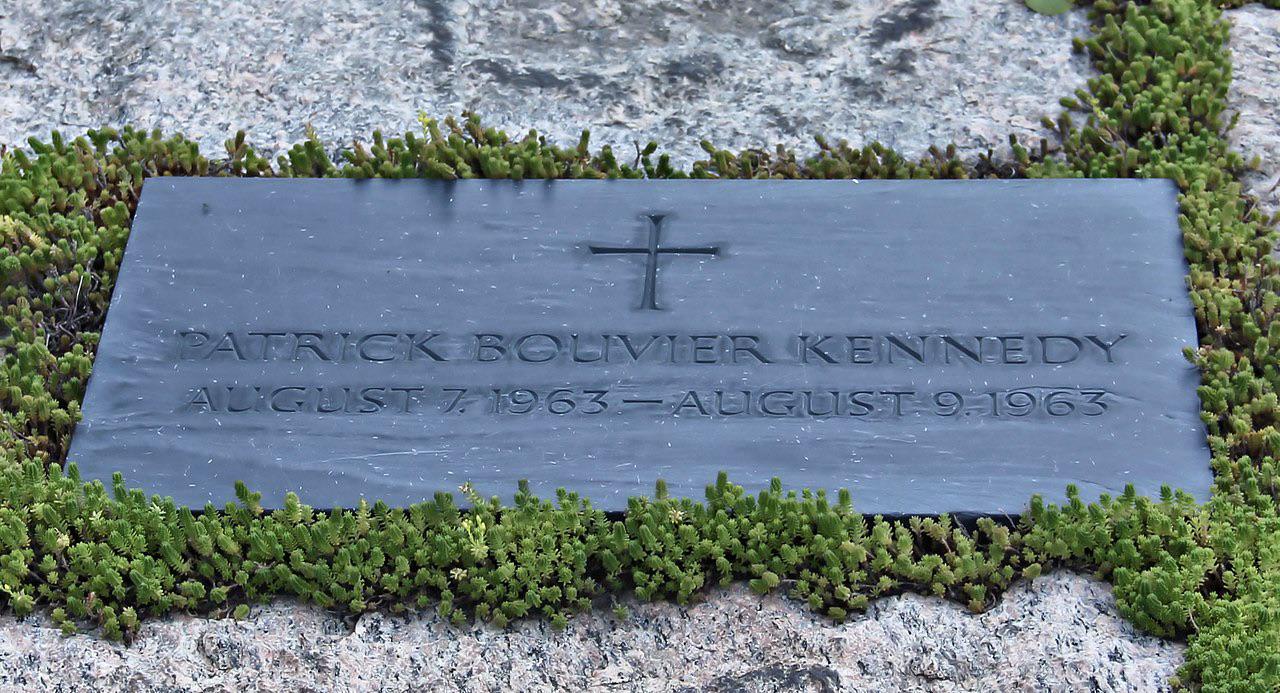
In 1963, Jackie gave birth prematurely to another son, Patrick Bouvier Kennedy, who lived only two days due to respiratory complications. His death came just months before President Kennedy’s assassination.
When we look at these losses collectively, it becomes clear that Jackie endured repeated maternal heartbreak long before she became a global symbol of dignity under fire.
Arabella’s remains were later moved to Arlington National Cemetery after President Kennedy’s assassination, so she could rest near her father and brother. This act symbolically united the family in both life and death.
The broader Kennedy family legacy often focuses on public service, ambition, and political influence. But woven into that legacy is a quieter story of personal endurance, private sorrow, and the human side of public figures.
Arabella’s brief existence reminds us that behind every political dynasty are intimate, deeply personal experiences that shape the individuals we see on the world stage.
Why Arabella Kennedy Still Matters Today
You might wonder: why does the story of a stillborn child from 1956 continue to resonate decades later?
First, her story humanizes an iconic family. The Kennedys are often portrayed in mythic terms—glamorous, powerful, larger than life. Arabella reminds us that they were also parents, vulnerable and grieving like anyone else.
Second, her story contributes to a broader conversation about pregnancy loss. In the 1950s, such losses were rarely discussed openly. Today, conversations around miscarriage and stillbirth are more visible, though still deeply sensitive. By acknowledging Arabella’s existence, historians and writers help validate the experiences of countless families who endure similar grief.
Third, Arabella’s life—however brief—shaped Jacqueline Kennedy’s journey as a mother and public figure. The emotional depth Jackie displayed throughout her life cannot be separated from the personal tragedies she endured early on.
Finally, remembering Arabella is a way of honoring every child whose life was short but meaningful. History often records the loudest events, but quiet losses matter too.
The Private Grief Behind Public Strength
When President Kennedy was assassinated in 1963, the world watched Jackie’s composed strength during the funeral procession. Many have wondered how she maintained such dignity amid horror.
While no one can fully explain human resilience, it is fair to say that Jackie was no stranger to grief by that point. She had already lost two children. She had already faced the fragility of life within her own family.
Arabella’s story, though rarely told, is part of that foundation of strength. Grief does not disappear; it transforms. It reshapes priorities, deepens empathy, and sometimes builds an invisible armor.
Jackie would go on to protect her children fiercely from media intrusion. Her determination to give them as normal a childhood as possible likely stemmed, at least in part, from knowing how quickly life could change.
Arabella may not have lived to see the White House, but she was part of the emotional landscape that Jackie carried into it.
The Historical Silence Surrounding Stillbirth
It’s also worth examining why Arabella’s story remained relatively unknown for so long.
In the mid-20th century, stillbirth was often handled with silence. There were no social media tributes, no public memorial campaigns, and limited psychological support. Women were expected to recover physically and move on emotionally.
Jackie, being a public figure even before the presidency, likely felt additional pressure to maintain composure. The culture of the time did not encourage public vulnerability.
Today, society has begun to acknowledge the emotional complexity of pregnancy loss. arabella kennedy Support networks, medical transparency, and public dialogue have improved. Looking back at Arabella’s story through a modern lens highlights how far conversations around grief and maternal health have evolved.
Her story contributes quietly but meaningfully to that historical perspective.
Conclusion: Remembering Arabella Kennedy
Arabella Kennedy never took a breath outside the womb. She never appeared in photographs, never played in the White House gardens, and never experienced the world her parents inhabited.
Yet her presence mattered.
She shaped her mother’s emotional world. She marked the first profound loss in a family that would experience many. She reminds us that even the most powerful families endure heartbreak.
In telling her story, we move beyond political headlines and into something far more universal: the love of parents for their child, the pain of loss, and the quiet ways grief shapes a life.
Arabella Kennedy may not occupy many pages in history books, but her story remains an essential part of the Kennedy family narrative—and a deeply human one at that.